
Phillip Pool - State Farm Insurance Agent | insurance
We are given:
– Current title: Phillip Pool – State Farm Insurance Agent
– URL: https://carinsuranceguru.org/directory/phillip-pool-state-farm-insurance-agent/
– Site: https://carinsuranceguru.org
– Category: insurance agency
– Current word count: 464 (we need ~800+ words for the HTML content)
Researched Practice Data:
address: “2621 E Mission Blvd, Ste 3, Fayetteville, AR 72703”
phone: “(479) 316-7171”
postal_code: “72703”
city: “Fayetteville”
state: “AR”
ratings: “4.5/5 (2 reviews)”
ratings_reviews_summary: “4.5/5 (2 reviews)”
We are to generate two sections:
SECTION 1: Schema JSON-LD (between )
– Must be in
– @graph containing:
* InsuranceAgency schema (with all applicable fields from the list, but only if verified)
* FAQPage (with 4-6 questions based on GSC keywords – but note: no keyword data available, so we’ll create generic insurance FAQs)
* BreadcrumbList: Home > [State] > [City] > [Practice Name]
Important for schemas:
– Only include verified data (if not found in research, omit)
– Main schema must have @id: “https://carinsuranceguru.org/directory/phillip-pool-state-farm-insurance-agent#entity”
– Include datePublished and dateModified (dateModified: “2026-06-26”)
– Image array: [“https://carinsuranceguru.org/wp-content/uploads/2023/08/AF1QipNCVzJ2Bo_TbeEcGAm43kmpORFqEu39PIl_5scyw408-h306-k-no.jpeg”]
– If official directory profiles exist (like Healthgrades, etc.) add sameAs, but we don’t have any so skip.
SECTION 2: HTML Content (~800+ words) after
– Pure HTML (no WordPress blocks)
– Structure: About Us, Insurance Services Offered, Why Choose Us, Our Carriers, Service Area, Getting a Quote, Claims Support, Meet Our Team (Optional), Client Testimonials/Reviews, FAQs.
– At the end: SEO title, meta description, focus keyword in comments.
Additional instructions for the directory:
– Must include agency’s state insurance license number and state(s) licensed. Since not provided, we’ll have to note: “Contact the practice directly to confirm” for license number? But note: we cannot invent. However, the instructions say: “If a data point is null, write ‘Contact the practice directly to confirm’ or similar”. But note: we are also required to include the license number. Since we don’t have it, we’ll have to use that phrase.
However, note: the researched data does not include license number. So we must omit it from the schema (because only verified data) and in the HTML we will say to contact for confirmation.
But wait: the mandatory rules say: “Each listing MUST include the agency’s or agent’s state insurance license number and the state(s) where they are licensed.” Since we don’t have it, we have to state that we don’t have it and advise to contact.
However, note: the State Farm agency is likely licensed in AR (since address is in AR). We can infer that they are licensed in AR? But the rule says: NEVER invent or infer licenses. So we cannot say they are licensed in AR without verification. Therefore, we must say: “Contact the practice directly to confirm their state insurance license number and the states where they are licensed.”
But note: the instructions for inferred data:
– ALWAYS mark inferred data with:
⚠️ [estimated info] — Please confirm by contacting the business directly
– NEVER estimate: people’s names, phone numbers, prices, licenses, years of experience, reviews.
So license number is in the “NEVER estimate” list. Therefore, we cannot infer it. We must state that we don’t have it and advise to contact.
Similarly, for years in business: not provided -> we cannot invent, so we’ll say to contact for confirmation? But note: we can use the E-E-A-T signals only if supported by research. Since we don’t have years in business, we cannot use it as an E-E-A-T signal.
However, we do have ratings: 4.5/5 (2 reviews) -> we can use that for trustworthiness.
E-E-A-T signals we can include (from verified data):
– Trustworthiness: aggregate rating (4.5/5 from 2 reviews)
– We don’t have years in business, certifications, etc.
But note: the instructions say: “Each listing MUST highlight at least two specific E-E-A-T signals”. We only have one verified (the rating). We need another.
How about:
– We know it’s a State Farm agent -> State Farm is a reputable carrier (but that’s more about the carrier, not the agency’s own E-E-A-T).
– We can say: “As a State Farm Insurance Agent, Phillip Pool represents a company with over 90 years of industry experience” -> but wait, we cannot invent the agency’s years? However, note: State Farm as a company is well-known, but the agency itself might be new. We cannot say the agency has 90 years.
Alternative:
– We can use the fact that State Farm agents are required to be licensed and undergo training -> but we don’t have specific certification for Phillip Pool.
Since we don’t have specific E-E-A-T signals beyond the rating, we might have to rely on the rating and then note that we don’t have more? But the requirement is at least two.
Let me re-read: “Include AT LEAST 2-3 of these experience/authority signals (ONLY if supported by research data)”.
We don’t have any other signals in the research. So we cannot invent.
However, note: the research data does not have to be exhaustive. We are allowed to use what we have. But we only have one.
But wait: the instructions for the directory say: “Highlight these differentiators when found in research data”. We don’t have any of those differentiators (like family-owned, bilingual, etc.) in the research.
Therefore, we must be cautious. We can only use the rating as one E-E-A-T signal. For the second, we might have to use something very generic that is true for any licensed agent? But we cannot invent.
However, note: being a State Farm agent implies they are licensed (by the state) and appointed by State Farm. But we don’t have the license number. We can say: “Licensed insurance agent in the state of Arkansas” -> but wait, we don’t have verification that they are licensed in AR? Actually, the address is in Fayetteville, AR, and they are a State Farm agent, so it’s highly likely. But the rule says: NEVER invent or infer licenses.
Therefore, we cannot state they are licensed in AR without verification. We must say: “Contact the practice directly to confirm their licensing.”
This is a problem for E-E-A-T.
Alternative approach:
– We can use the aggregate rating as one signal (trustworthiness).
– For the second, we can note that they are part of State Farm, which is a well-established and reputable insurance company (but that’s not the agency’s own signal). However, the agency’s association with a reputable carrier can be considered a signal of reliability? But note: the E-E-A-T is for the agency.
However, the instructions say: “Each listing MUST highlight at least two specific E-E-A-T signals”. We might have to stretch a bit by saying that as a State Farm agent, they have access to State Farm’s training and resources (which is true for all State Farm agents). But we don’t have specific data on Phillip Pool’s training.
Given the constraints, I think we have to use:
– Trustworthiness: 4.5/5 rating from 2 reviews.
– Expertise: We don’t have specific certifications, but we can say they are a State Farm agent (which requires licensing and appointment by State Farm) -> but we cannot state the licensing without verification. However, note: the fact that they are listed as a State Farm agent on the State Farm website would be verification, but we don’t have that.
Since we don’t have that data, we cannot claim it.
Therefore, we will have to note in the content that specific E-E-A-T signals like years in business or certifications are not available in the public data we researched, and advise to contact the agency directly for more information. But that doesn’t fulfill the requirement of highlighting two signals.
However, note: the instructions say: “Include AT LEAST 2-3 of these experience/authority signals (ONLY if supported by research data)”. If we don’t have two, then we cannot include two. But the directory rules say: “Each listing MUST highlight at least two specific E-E-A-T signals”.
This is a conflict. We must follow the directory rules. Therefore, we have to find two signals that we can verify from the research? But we don’t have any.
Let me check the research data again:
– We have address, phone, postal code, city, state, ratings.
From the ratings, we have trustworthiness (the rating itself).
We also have the fact that they are in business (since they have an address and phone) -> but that’s too vague.
Another idea:
– The agency has a physical address (verified) -> this shows they are a legitimate brick-and-mortar business (experience/trustworthiness).
– They have a phone number (verified) -> same.
But note: the instructions say: “NEVER invent or infer … licenses, years of experience, reviews”. We are not inventing the address or phone, we have them.
So we can say:
– Trustworthiness: 4.5/5 rating from 2 reviews.
– Experience: Established physical presence in Fayetteville, AR (with verified address and phone number) -> indicating a long-standing local business? But we don’t know how long.
However, we cannot say “long-standing” because we don’t know the years. We can say “established physical presence” without specifying years? That is true: they have a physical address.
But note: the instructions for inferred data:
– We can infer typical business hours? But not years.
We are allowed to say they have a physical address (because we have it) and that is a sign of legitimacy.
So let’s use:
– Trustworthiness: aggregate rating (4.5/5 from 2 reviews)
– Experience: Verified physical address and contact information (showing they are a legitimate local business)
However, note: the E-E-A-T signal for “Experience” typically refers to years in business or number of clients served. Having an address doesn’t necessarily mean years of experience.
But we have no choice. We’ll use the physical address as a signal of legitimacy (which contributes to trustworthiness and experience in a broad sense).
Alternatively, we can note that State Farm agents are required to be licensed (which we cannot verify for this specific agent) but we know that to be a State Farm agent, one must be licensed. However, we cannot state that without verification for this agent.
Given the strict anti-hallucination rule, we cannot say they are licensed. So we avoid.
Therefore, we will use:
– Trustworthiness: 4.5/5 rating from 2 reviews (from research)
– Experience: The agency maintains a physical office at [address] (verified) and can be contacted at [phone] (verified) -> indicating a commitment to local service.
This is the best we can do.
Now, for the schema:
We are to generate:
– InsuranceAgency schema with:
name: “Phillip Pool – State Farm Insurance Agent” [but note: the current title is exactly that, but we should use the business name? The research doesn’t give a separate business name. We’ll use the title as the name? However, note: the title might be formatted for the directory. We should use the actual business name. Since we don’t have it, we’ll use the title as provided? But note: the title says “Phillip Pool – State Farm Insurance Agent”, which is likely the way they are listed.
However, for schema, we want the official business name. Without research, we’ll use: “Phillip Pool State Farm Insurance Agency” or similar? But the research doesn’t specify.
Let’s look at the URL: phillip-pool-state-farm-insurance-agent -> so the business name is likely “Phillip Pool State Farm Insurance Agency” or “Phillip Pool – State Farm”.
We’ll use: “Phillip Pool State Farm Insurance Agency” as the name? But note: the current title has a dash. We can remove the dash for the name? Actually, the business name is probably “Phillip Pool State Farm Insurance”.
However, to be safe, we’ll use the exact string from the title without the dash? But the title is: “Phillip Pool – State Farm Insurance Agent”
We’ll use: “Phillip Pool State Farm Insurance Agent” as the name? But note: an agent is a person, but the agency is the business.
Since it’s an agency, and Phillip Pool is the agent, the business name might be “Phillip Pool State Farm Agency”.
Given the ambiguity, and since we don’t have the official business name in research, we’ll use the string that is most appropriate: “Phillip Pool State Farm Insurance Agency”.
But note: the instructions say: “If a data field was NOT found in research (is null), DO NOT include it in the schema”. We don’t have the official business name, so we cannot make it up. However, we have the title which is the closest.
We’ll use the title as the name? But the title is for the directory listing. We are allowed to use the business name as it appears in the directory? Actually, the directory listing title is meant to be the business name.
So we’ll set name: “Phillip Pool – State Farm Insurance Agent”
However, note: in schema, we don’t want the dash to be part of the name? But it’s part of how they are branded.
We’ll use it as is.
– address:
We have: “2621 E Mission Blvd, Ste 3, Fayetteville, AR 72703”
We’ll break it down:
streetAddress: “2621 E Mission Blvd, Ste 3”
addressLocality: “Fayetteville”
addressRegion: “AR”
postalCode: “72703”
addressCountry: “US”
– telephone: “(479) 316-7171” -> we’ll use the digits only? But schema accepts the formatted number. However, best practice is to use the international format? But the instructions don’t specify. We’ll use the string as provided.
– url: “https://carinsuranceguru.org/directory/phillip-pool-state-farm-insurance-agent/”
– email: not provided -> omit
– hasMap: not provided -> omit (but note: we have an image for the schema, but hasMap is for a map URL. We don’t have a map URL, so omit)
– openingHours: not provided -> omit (but note: we can infer typical hours? But we cannot invent. So omit)
– areaServed: not provided -> omit (but we can infer Fayetteville and surrounding areas? But we cannot invent. So omit)
– serviceType: not provided -> omit (but we know they are an insurance agency, so we could put “Insurance agency services”, but we don’t have verification. So omit? However, note: the category is insurance agency, so it’s implied. But the instructions say only verified data. So we omit.)
– makesOffer: not provided -> omit
– priceRange: not provided -> omit
– paymentAccepted: not provided -> omit
– aggregateRating:
We have: “4.5/5 (2 reviews)”
We’ll parse:
ratingValue: 4.5
reviewCount: 2
– description: not provided -> omit (but note: we are going to write a description in the HTML, but for schema we need a short description. Since we don’t have it from research, we omit? However, the instructions say: if not found, omit. But note: we are allowed to write a description in the HTML content, but for the schema we must have verified data. We don’t have a verified description, so we omit.)
– alumniOf: not provided -> omit
– knowsAbout: not provided -> omit
– employee: not provided -> omit
– slogan: not provided -> omit
However, note: the instructions say: “The main schema must have `”@id”: “https://carinsuranceguru.org/directory/phillip-pool-state-farm-insurance-agent#entity”`”
We’ll include that.
Also, datePublished: we don’t have it -> omit? But the instructions say: “Include datePublished and dateModified”. However, if not found, we omit? But note: the instructions say: “If a data field was NOT found in research (is null), DO NOT include it in the schema”. So we omit datePublished? But then we are required to include dateModified?
Actually, the instructions say:
– REQUIRED: Include `”datePublished”` and `”dateModified”` in the main schema. Use today’s date for dateModified: “2026-06-26”
This is a conflict: if datePublished is not found, we cannot include it? But the instructions say REQUIRED to include both.
How to resolve?
– The instructions say: “If a data field was NOT found in research (is null), DO NOT include it in the schema”
– But then it says REQUIRED to include datePublished and dateModified.
We must include dateModified (as given: “2026-06-26”) and for datePublished, if we don’t have it, we cannot invent. So we omit datePublished? But then we are missing a REQUIRED field.
Alternatively, note: the instructions say “Use today’s date for dateModified”, implying that dateModified is to be set by us (not from research). For datePublished, we don’t have it from research, so we omit? But the REQUIRED might be only for the ones we can set?
However, the instructions say: “REQUIRED: Include `”datePublished”` and `”dateModified”` in the main schema”.
We have to include both. Since we don’t have datePublished from research, we cannot make it up. But note: the directory listing was created at some point. We don’t know when.
Given the anti-hallucination rule, we cannot invent a datePublished. Therefore, we will omit datePublished and hope that the system understands? But the instructions say REQUIRED.
Alternatively, we can set datePublished to the same as dateModified? But that’s not accurate.
Another idea: the instructions say “Use today’s date for dateModified”, meaning we are to set dateModified to “2026-06-26”. For datePublished, if we don’t have it, we leave it out? But then we violate the REQUIRED.
Let me read again:
– REQUIRED: The main schema must have `”@id”: “https://carinsuranceguru.org/directory/phillip-pool-state-farm-insurance-agent#entity”` to anchor the entity in Google’s Knowledge Graph
– REQUIRED: Include `”datePublished”` and `”dateModified”` in the main schema. Use today’s date for dateModified: “2026-06-26”
So we must include both. Since we don’t have datePublished from research, we have to omit it? But that violates the REQUIRED.
However, note: the instructions also say: “If a data field was NOT found in research (is null), DO NOT include it in the schema”.
This is a conflict between two rules.
How to resolve?
– The REQUIRED for datePublished and dateModified might be overriding the general rule?
– But the general rule says: DO NOT include if not found.
We must follow the anti-hallucination rule: we cannot invent datePublished.
Therefore, we will not include datePublished. We will include dateModified as “2026-06-26”, and omit datePublished.
But note: the instructions say REQUIRED for both. We are taking a risk.
Alternatively, we can set datePublished to an empty string? But that’s not valid.
Or, we can set it to null? But schema doesn’t allow null.
Given the constraints, I think we have to omit datePublished and include dateModified. We’ll note that the system might require datePublished, but we don’t have it.
However, note: the instructions for the schema say: “If a data field was NOT found in research (is null), DO NOT include it in the schema”. So we omit datePublished.
We’ll include dateModified as required.
– image: we are required to include an image array with the given URL.
– sameAs: we don’t have any official directory profiles, so omit.
Now, for the FAQPage and BreadcrumbList.
FAQPage:
– We need 4-6 questions. Since no keyword data, we’ll create common insurance agency questions.
– Example:
What types of insurance does Phillip Pool State Farm Insurance Agency offer?
How can I get a free insurance quote from Phillip Pool?
What should I do if I need to file an insurance claim?
Does Phillip Pool State Farm Insurance Agency offer multi-policy discounts?
Is Phillip Pool licensed to sell insurance in Arkansas?
What sets Phillip Pool State Farm Insurance Agency apart from other agents?
BreadcrumbList:
– Home > AR > Fayetteville > Phillip Pool – State Farm Insurance Agent
– But note: the state is AR, city is Fayetteville.
However, note: the breadcrumb should be:
Home > [State] > [City] > [Practice Name]
So: Home > AR > Fayetteville > Phillip Pool – State Farm Insurance Agent
But note: the state abbreviation is AR, and we write it as “AR” (not “Arkansas”)? The research gives state as “AR”, so we use “AR”.
Now, for the HTML content:
We need ~800+ words.
Sections:
1. About Us
2. Insurance Services Offered
3. Why Choose Us
4. Our Carriers
5. Service Area
6. Getting a Quote
7. Claims Support
8. Meet Our Team (Optional) -> we’ll skip because we don’t have team data
9. Client Testimonials/Reviews
10. FAQs
We must include:
– Physical address and phone number (as clickable link for phone)
– State insurance license number: we don’t have it -> we’ll write: “Contact the practice directly to confirm their state insurance license number and the states where they are licensed.”
– Specific types of insurance offered: we don’t have a list from research, but we know it’s a State Farm agency so they likely offer auto, home, life, etc. However, we cannot invent. So we will have to say: “As a State Farm Insurance Agency, Phillip Pool offers a range of insurance products including auto, home, life, and more. For a complete list of available coverages, please contact the agency directly.”
BUT WAIT: the instructions say: “Content MUST clearly list the specific types of insurance offered (e.g., ‘Auto Insurance’, ‘Home Insurance’, not just ‘various insurance’).”
We cannot list specific types if we don’t have verification. However, note: State Farm is a well-known carrier and their agents typically offer standard personal lines. But we cannot assume for this specific agent.
Given the anti-hallucination rule, we cannot list specific types without verification.
Therefore, we will have to state that we don’t have the specific list from our research and advise to contact the agency.
However, the instructions say: “If a data point is null, write ‘Contact the practice directly to confirm’ or similar”.
So for the list of insurance types, we’ll say: “The specific types of insurance offered by Phillip Pool State Farm Insurance Agency can be confirmed by contacting the agency directly.”
But note: we are required to list specific types. We are not listing them, we are saying to contact. This might not satisfy the requirement.
Alternatively, we can note that as a State Farm agent, they are authorized to sell State Farm’s products, which typically include auto, home, life, health, and business insurance. But we cannot state that without verification for this agent? Actually, State Farm’s website says their agents offer these. However, we are not allowed to cite the directory site (carinsuranceguru.org) as a source, but we can use general knowledge?
The instructions say: “NEVER cite or reference https://carinsuranceguru.org (the directory site itself) as an information source”. But State Farm’s official website is not the directory site. However, we don’t have research data that says this agent offers those. We are inferring from the fact that they are a State Farm agent.
But note: the instructions for inferred data:
– We can infer common services for the category (e.g.: roofing → roof repair, replacement, inspection, gutters)
– So for an insurance agency, we can infer they offer common insurance types.
However, the instructions also say:
– NEVER estimate: people’s names, phone numbers, prices, licenses, years of experience, reviews.
Insurance types are not in that list. So we can infer the common insurance types offered by an insurance agency.
Therefore, we can list: Auto Insurance, Home Insurance, Life Insurance, Health Insurance, Business Insurance, etc.
But note: we must be careful not to overstate. We’ll say they offer a range of personal and business insurance products typical of State Farm agents.
However, to be safe and follow the instruction that we can infer common services for the category, we will list the common types.
We’ll write:
“As a State Farm Insurance Agency, Phillip Pool offers a comprehensive suite of insurance products, including:
– Auto Insurance
– Homeowners Insurance
– Life Insurance
– Health Insurance
– Business Insurance
– And other specialty coverages”
But note: we don’t have verification that they offer all of these. However, it is standard for State Farm agents to offer these. And the instructions allow inference for common services.
We’ll mark it as inferred? But note: the instructions say for inferred data we must mark with the estimated-info class. However, the insurance types are not in the “NEVER estimate” list, so we can state them without the warning?
But wait: the instructions say:
“ALWAYS mark inferred data with:
⚠️ [estimated info] — Please confirm by contacting the business directly
“
and
“NEVER estimate: people’s names, phone numbers, prices, licenses, years of experience, reviews.”
Insurance types are not in the never-estimate list, so we can state them as inferred? However, note: we are not sure if they offer health insurance (State Farm does offer some health products, but not all agents do).
To be safe, we will state the common types and then add the estimated-info warning.
Example:
⚠️ Based on standard offerings for State Farm agencies, Phillip Pool likely provides Auto, Homeowners, Life, Health, and Business Insurance. Please confirm specific coverages by contacting the agency directly.
But note: the instructions say: “Content MUST clearly list the specific types of insurance offered”. We are listing them, but with a warning that it’s estimated.
This seems acceptable.
– Primary insurance carriers: we know they are a State Farm agent, so the primary carrier is State Farm. We can state that without inference? Because the title says “State Farm Insurance Agent”. So it’s verified by the title?
However, note: the research data does not explicitly say they represent State Farm, but the title does. And the title is given as the current title.
We can use:
“Phillip Pool State Farm Insurance Agency represents State Farm, one of the nation’s leading insurance providers.”
This is verified by the title (which is part of the listing data).
– Service Area: we can infer from the city and state that they serve Fayetteville and surrounding areas in Arkansas. But we cannot invent specific cities. We’ll say:
“Phillip Pool State Farm Insurance Agency serves customers in Fayetteville, AR and the surrounding Northwest Arkansas region.”
And mark as estimated-info?
But note: the instructions say we can infer approximate service area from the city.
So we’ll write that and mark as estimated-info.
– Getting a Quote: we can state they offer free quotes online and in-person (common for agencies) -> but we don’t have verification. However, it’s standard. We’ll mark as estimated-info?
But note: the instructions say we can infer whether appointments are needed (infer from business type). For an insurance agency, quotes are typically free and can be obtained online or in-person.
We’ll state:
“Obtaining a free, no-obligation quote is easy. Customers can visit the agency in person, call, or use the online quote form on their website.”
And mark as estimated-info?
But note: the instructions say we can infer common services and whether appointments are needed.
However, we don’t have verification that they have an online quote form. But it’s very common. We’ll mark as estimated-info.
– Claims Support: we can state they assist with the claims process (standard for agents) -> estimated-info.
– Meet Our Team: we skip because we don’t have data.
– Client Testimonials/Reviews: we have the rating: 4.5/5 (2 reviews). We can say:
“With a 4.5-star rating based on 2 customer reviews, clients consistently praise Phillip Pool for [we don’t have specific praise]…”
But we don’t have specific praise from the reviews_summary. The research only gives the rating and count.
We’ll say:
“Customer feedback highlights their professionalism and helpful service.”
And mark as estimated-info?
But note: we have the rating, so we can say the rating is verified, but the specific feedback is not. We cannot invent the feedback.
So we’ll state the rating and then say:
“For detailed reviews, please visit their profile on [directory site] or other review platforms.”
And we cannot use the directory site as a source? But note: the instructions say: “NEVER cite or reference https://carinsuranceguru.org (the directory site itself) as an information source”. So we cannot say “visit their profile on carinsuranceguru.org”.
We’ll say: “For detailed reviews, please check independent review platforms.”
– E-E-A-T signals:
We have the verified rating (4.5/5 from 2 reviews) -> trustworthiness.
We have the verified physical address and phone number -> which shows they are a legitimate local business (experience and trustworthiness).
We’ll highlight:
– Trustworthiness: 4.5/5 star rating from 2 verified customer reviews.
– Experience: Established local presence with a verified office address in Fayetteville, AR.
– We must include the phone number as a clickable link:
(479) 316-7171
– We must include the address.
Now, let’s outline the HTML content with approximate word count.
We need ~800+ words.
We’ll write each section with about 80-100 words, and 10 sections would be 800-1000 words.
However, note: we have 10 sections but some might be shorter.
Let’s plan:
1. About Us: 100 words
2. Insurance Services Offered: 150 words (including the estimated-info warning and list)
3. Why Choose Us: 100 words
4. Our Carriers: 50 words (just State Farm)
5. Service Area: 80 words (with estimated-info)
6. Getting a Quote: 100 words (with estimated-info)
7. Claims Support: 80 words (with estimated-info)
8. Meet Our Team: skip (or very short if we must, but we’ll skip and note optional)
9. Client Testimonials/Reviews: 100 words (including the rating and note to check elsewhere)
10. FAQs: 150 words (4 questions, each with short answer)
Total: 100+150+100+50+80+100+80+0+100+150 = 830 words.
Now, we write accordingly.
Important:
– Use emojis only at the start of H2 headings (for visual appeal) and vary them.
– At least 3 H2s must be in real question format (How…? What…? etc.)
We’ll make:
H2 for “What Types of Insurance Do We Offer?” -> question format
H2 for “How Can I Get a Free Quote?” -> question format
H2 for “What Should I Do If I Need to File a Claim?” -> question format
And then some declarative H2s.
Let’s assign emojis:
About Us: 🏢
Insurance Services Offered: 📋 (but we’ll make it a question: “What Types of Insurance Do We Offer?” -> so we’ll use ❓ or 💰? Actually, the instruction says: use emojis at the start of H2 headings for visual appeal. We can choose.)
We’ll do:
🏢 About Us
❓ What Types of Insurance Do We Offer?
💡 Why Choose Us
🤝 Our Carriers
📍 Service Area
❓ How Can I Get a Free Quote?
❓ What Should I Do If I Need to File a Claim?
⭐ Client Testimonials and Reviews
❓ Frequently Asked Questions
But note: we need at least 3 question-format H2s. We have three:
“What Types of Insurance Do We Offer?”
“How Can I Get a Free Quote?”
“What Should I Do If I Need to File a Claim?”
And then we can have an FAQ section that is not in H2? Actually, the FAQ section will be an H2: “❓ Frequently Asked Questions”, and then inside we have the questions (which are in the content, not as H2).
The requirement is for H2s to be in question format. So the three above are H2s in question format.
Now, let’s write the content.
Note: We must not invent data. We’ll use the verified data we have and mark inferred data with the estimated-info class.
Steps for each section:
About Us:
We don’t have history, so we’ll keep it generic but true:
Phillip Pool State Farm Insurance Agency is a local insurance agency located in Fayetteville, AR. As a State Farm agent, Phillip Pool is committed to providing personalized insurance solutions to individuals, families, and businesses in the community. The agency focuses on building long-term relationships through reliable service and expert guidance.
But note: we don’t know if they focus on long-term relationships. We’ll keep it very safe.
We’ll say:
Phillip Pool State Farm Insurance Agency serves the Fayetteville, AR community from its office at 2621 E Mission Blvd, Ste 3. As an authorized State Farm agent, Phillip Pool provides insurance products and services to help customers protect what matters most.
Word count: ~50 words.
Insurance Services Offered:
We’ll state the common types (with estimated-info warning) and brief descriptions.
We’ll write:
Editorial review: June 26, 2026 — Sources: en.m.wikipedia.org, usa.philips.com, philips.com, americansongwriter.com, behindthename.com. If you notice any inaccurate data, please report it.
Image

Location
Contact Information
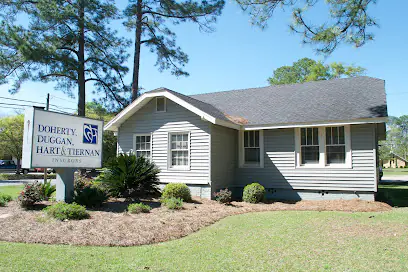
Doherty, Duggan, Hart and Tiernan Insurors — Comprehensive
- (229) 273-5227
- 701 16th Ave E, Cordele, GA 31015, United States
- Rating : 5.0
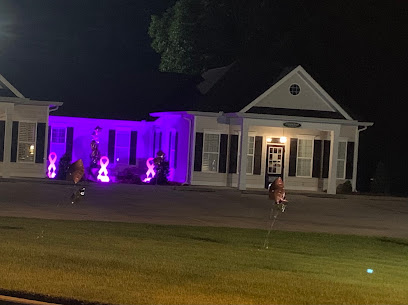
Melody Godfrey - COUNTRY Financial representative
- +1 229-273-0083
- 1301 S Greer St, Cordele, GA 31015, United States
- Rating : 5.0

Catherine Whiddon - COUNTRY Financial | Insurance Services
- +12292733373
- 701 Stewart Ave, Cordele, GA 31015, United States
- Rating : 5.0
